
Going back to work and school can be difficult. After the slower pace and freedom of summer, returning to schedules and responsibilities can feel like a major adjustment. However, I’ve learned that establishing a good routine before the start of a school year can make that transition feel much less overwhelming.
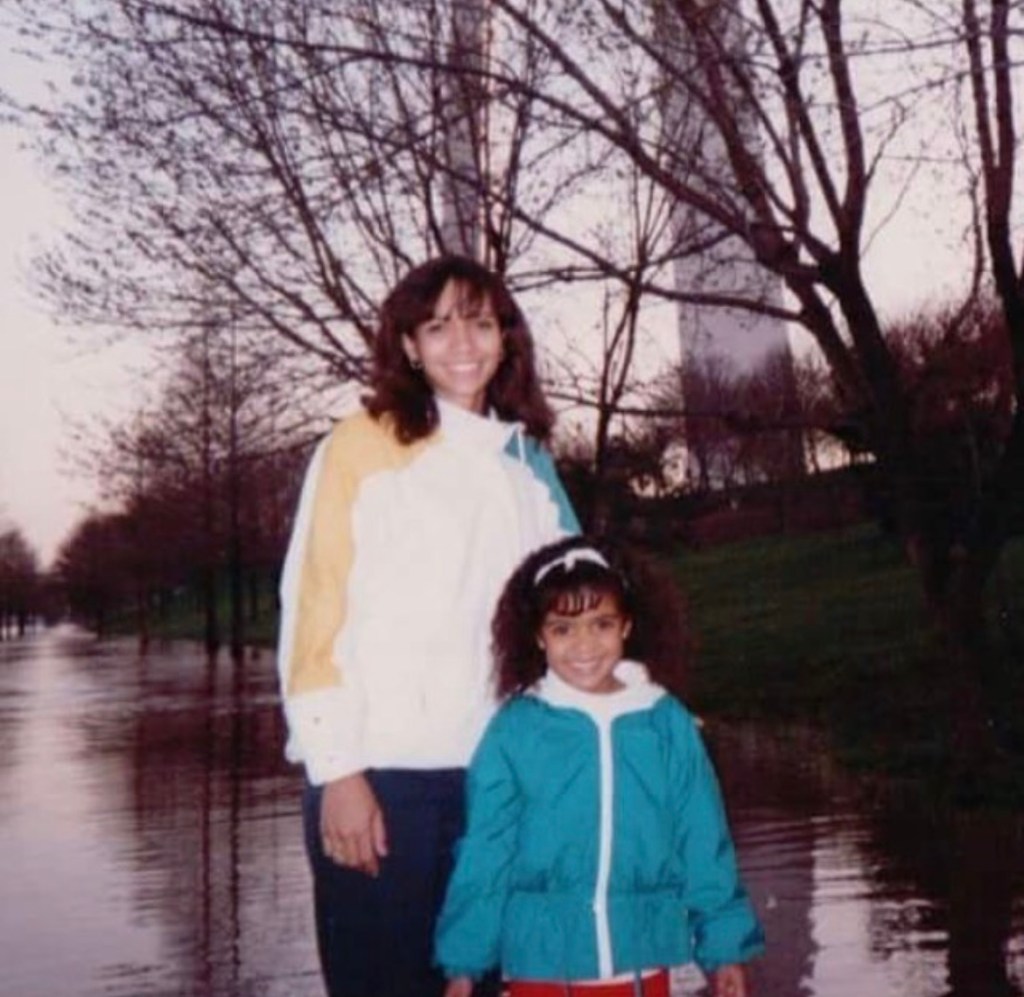
When I was younger, I spent my summers having the time of my life at my grandparents’ rural home. Summer meant freedom and adventure. But when summer ended, it was back to my structured life at home. My mom was, and still is, an incredibly busy woman who thrives on rules and routines. I had a bedtime. I did my homework as soon as I got home from school, circling questions I needed her to check for me. Then, when my mom came home from work, I was ready to head to church or evening daycare at the community college where she took courses after her full-time computer-programming job. At the time, I probably didn’t think much about how structured my childhood was. Looking back, however, I can see how much those routines influenced my current self. They shaped my parenting style, my approach to work, and even the way I organize my everyday life. I am very much a creature of habit, and I have unintentionally raised my daughter to be one as well.
Although routines can sound pretty mundane, I’ve come to appreciate just how powerful they can be. The routines and structure I establish leading up to the school year actually help prevent me from feeling rushed or overwhelmed once the school year begins. Instead of trying to figure everything out once the chaos has already started, I try to build systems ahead of time that make the days flow more naturally.
I realized just how valuable this can be after interviewing my daughter for my last blog post. As we talked, I recognized that she has benefited from establishing routines of her own. Structure helps her stay organized and allows her to balance her school work and personal life successfully.
That same idea carries over into my classroom.
Building Routines Before the Rush
Every school year, I find myself kicking things off with the first couple of weeks being dedicated to routine-building. I know that establishing routines can take time, but I also know how much easier the rest of the year becomes when students understand how our classroom is supposed to function.
Many children struggle with executive functioning skills. The Cleveland Clinic defines executive function as the skills that “help you set and carry out goals.” These skills can include things like planning, organizing, managing time, remembering information, and regulating behavior.
For students, these skills don’t always come naturally, so expecting them to simply “know what to do” can create unnecessary frustration for everyone. That’s why I intentionally teach routines rather than assuming students will pick them up along the way.
I use backward design methodologies to create a classroom that flows. First, I determine how I want my classroom to function. What do I want students to be able to do independently? What should entering the classroom look like? How should students transition between activities? What should happen when they need help? What routines will allow us to spend more time learning and less time figuring out what comes next?
Answering these questions is incredibly important because it allows me to identify the behaviors I want to emphasize and the skills I need to explicitly teach at the beginning of the school year.
Once I have that vision, I work backward: I make a plan for how I can turn that vision into reality. Rather than simply telling students what the expectations are, I think about how I can teach, model, practice, and reinforce each routine until it becomes familiar.
This is one of the reasons I believe so strongly in routines. A good routine creates a framework that allows everyone to know what comes next. This level of predictability is helpful for young learners of all abilities.
Routines Create Space
As I prepare for another school year, I’m reminded that routines create space. Space for students to develop independence, as well as space for teachers to focus on instruction rather than constantly redirecting behavior. For me, personally, routines create space to enjoy the school year without feeling like I’m constantly trying to catch up. Maybe that’s why the routines from my childhood have stayed with me.
My mom’s seemingly strict schedule became a foundation. Her routines helped me learn how to manage my time, anticipate circumstances, and move through my day with a sense of flow. Now, I’m trying to pass some of those lessons along by creating routines that work for my daughter, my classroom, and me.
Sometimes, creating a little structure before the chaos begins is exactly what allows us to enjoy everything that comes after.


Leave a Reply